John Keats
1795 - 1821
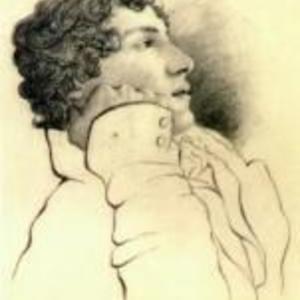
John Keats was a central figure of the second generation of Romantic poets, celebrated for his ability to translate intense sensory experiences into exquisite, highly wrought verse. His work is defined by a profound preoccupation with the "Negative Capability", the capacity to remain in uncertainties and doubts without an irritable reaching after fact and reason. During his tragically short life, he composed some of the most influential odes in the English language, including "To a Nightingale" and "Ode on a Grecian Urn." His primary role was to explore the intersection between the physical beauty of the natural world and the enduring power of human imagination. He ultimately transformed English lyric poetry by prioritizing lush, evocative imagery and deep emotional resonance over rigid intellectual structures.
Poems
- Sonnet: When I Have Fears That I May Cease To Be
- Ode To Autumn
- Ode To A Nightingale
- A Song About Myself
- Ode On A Grecian Urn
- Meg Merrilies
- Sonnet XV On The Grasshopper And Cricket
- Lamia Part I
- La Belle Dame Sans Merci
- Sonnet Written On A Blank Page In Shakespeare's Poems, Facing 'A Lover's Complaint'
- Endymion: Book I
- Sonnet XI On First Looking Into Chapman's Homer