William Shakespeare
1564 - 1616
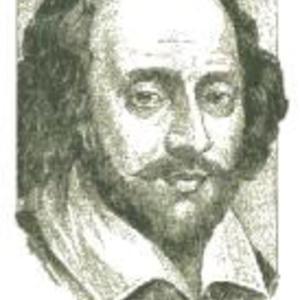
William Shakespeare was a central figure of the Renaissance who elevated English poetry to a pinnacle of artistic achievement that has influenced writers for over four centuries. His role extended beyond that of a mere creator, as he effectively synthesized human emotion, societal observation, and metaphorical brilliance into works that feel universally relevant across all eras. By crafting lines that have embedded themselves into the collective consciousness, he acted as a primary architect of modern English vocabulary and idiom. His narrative poems and sonnets showcased an unparalleled ability to navigate the contradictions of human experience, from the heights of romantic ecstasy to the depths of existential despair. Consequently, he remains the foundational pillar of Western literature, whose poetic voice serves as a constant touchstone for creative expression.
Poems
- Sonnet 116: "Let me not to the marriage of true minds"
- All The World's A Stage
- Witches' Chant (from Macbeth)
- Blow, Blow, Thou Winter Wind
- Sonnet 130: "My mistress' eyes are nothing like the sun"
- Spring And Winter
- Carpe Diem
- The Dark Lady Sonnets (127 - 154)
- Sigh No More
- Under The Greenwood Tree
- The Procreation Sonnets (1 - 17)
- To be, or not to be: that is the question